
Pacemaker and Cardiac Device Implantation in Dwarka
Dr. Amit Pendharkar Senior Director & Unit Head – Interventional Cardiology
Cardiac devices help the heart maintain a safe and steady rhythm. Dr. Amit Pendharkar provides cardiac device implantation at Max Super Speciality Hospital, Dwarka, for patients from Dwarka, Janakpuri and across West Delhi.
He holds a DM in Cardiology from AIIMS, New Delhi and has more than 15 years of experience in cardiac care and interventional cardiology. He implants pacemakers, implantable cardioverter-defibrillators (ICDs) and biventricular pacemakers (CRT) when clinically appropriate.
What Is a Pacemaker?
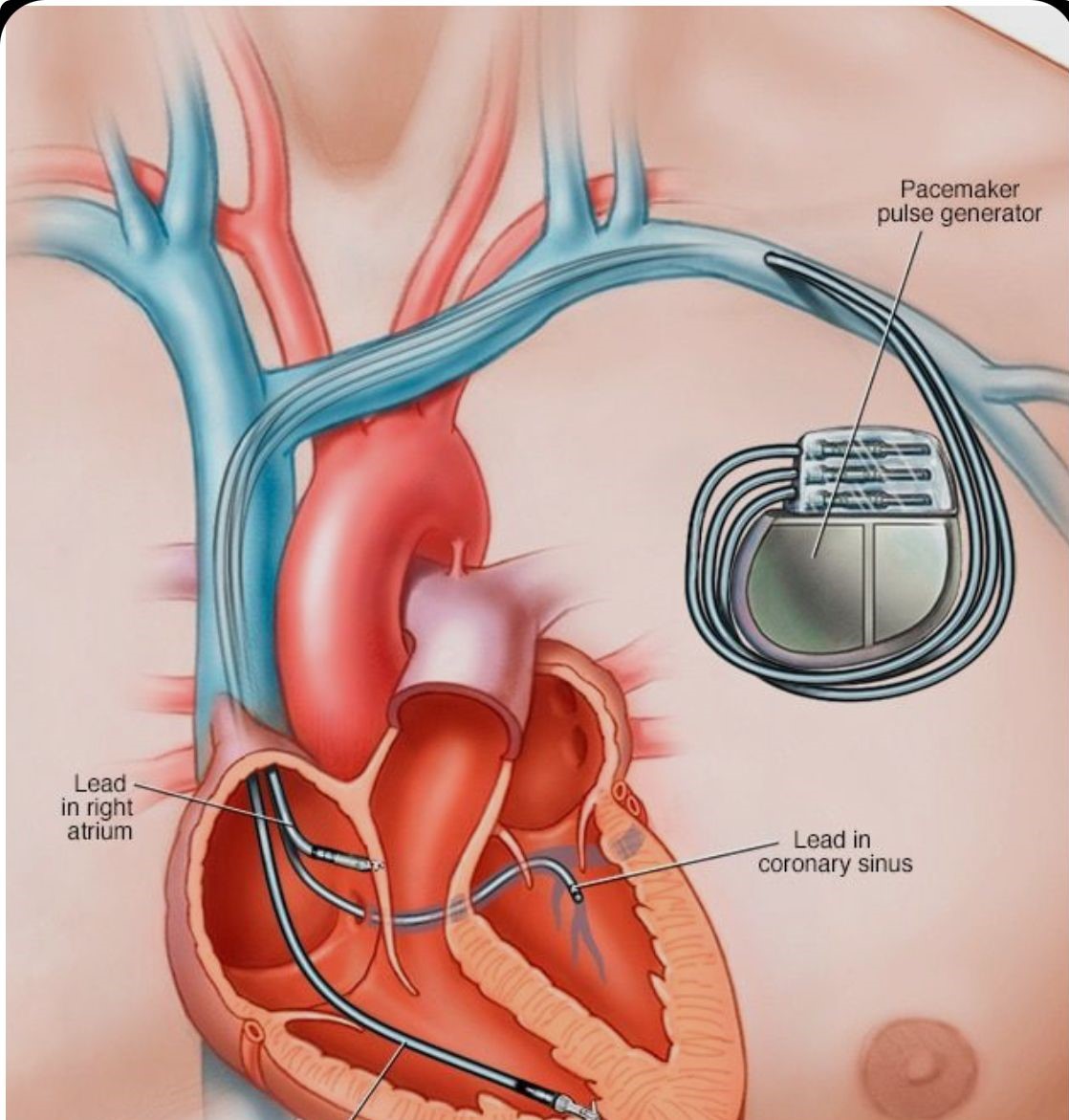
A pacemaker is a small battery-powered device placed under the skin near the collarbone. Thin wires called leads run from the device through a vein to the heart. When the heart beats too slowly or pauses, the pacemaker sends a small electrical signal that helps the heart beat at a safe rate. Most of the time, the device stays quiet and acts only when it is needed.
- Pacemaker implantation for selected slow heart rhythms
- ICD implantation for selected dangerous heart rhythms
- CRT device implantation for selected heart failure patients
Signs You May Need a Pacemaker or Cardiac Device
Recognizing early cardiovascular warning signs helps prevent permanent heart muscle damage and ensures timely medical intervention.
A slow pulse, often below 50 beats a minute
Fainting or near-fainting episodes
Dizziness or unusual tiredness
Breathlessness on mild effort
Heart block, sick sinus syndrome or long pauses seen on an ECG or Holter recording
Heart failure with a weak pumping function and an abnormal ECG pattern (a possible CRT candidate)
A history of dangerous fast heart rhythms, or a high risk of sudden cardiac arrest (a possible ICD candidate)
Types of Cardiac Devices
| Device | What it does | Usually considered for |
|---|---|---|
| Single-chamber pacemaker | Paces one chamber of the heart | Slow heart rate where one chamber needs support |
| Dual-chamber pacemaker | Paces two chambers in a coordinated way | Heart block and sick sinus syndrome |
| Biventricular pacemaker (CRT) | Paces both lower chambers so they contract together | Heart failure with a weak heart and an abnormal ECG pattern |
| ICD (AICD) | Detects dangerous fast rhythms and delivers pacing or a shock | Prevention of sudden cardiac arrest in high-risk patients |
Why Consult Dr. Amit Pendharkar for Pacemaker Implantation in Dwarka
-
DM in Cardiology from AIIMS, New Delhi, with more than 15 years of experience
-
Implants dual-chamber pacemakers, biventricular pacemakers and ICDs
-
More than 10,000 diagnostic and interventional procedures performed
-
Leads interventional cardiology at Max Super Speciality Hospital, Dwarka
-
Clinics in Dwarka Sector 6 and Janakpuri for consultation and device follow-up
The Implantation Procedure
Before the procedure: ECG, echocardiogram and blood tests, and a review of your medicines. Fasting is advised for some hours.
The area below the collarbone is cleaned and numbed. You stay awake and comfortable, and a mild sedative may be given.
A small cut is made and the leads are guided through a vein to the heart under X-ray.
The doctor tests the leads to confirm they sense and pace properly.
The device is placed in a small pocket under the skin and the cut is closed. The procedure usually takes one to two hours. Most patients stay in hospital for one to two days.
Recovery and Aftercare
A small dressing covers the wound, which should be kept dry until the doctor says otherwise. For a few weeks you will be asked to avoid lifting the arm on the device side above shoulder level and to avoid heavy lifting, so the leads can settle in place. Light walking is encouraged from the first days. Call the clinic if you notice redness, swelling, fever, discharge from the wound, or a return of dizziness or fainting.
Risks and Safety
Pacemaker implantation is a well-established procedure with a low complication rate. Possible problems include bleeding or a collection of blood at the pocket, infection, movement of a lead, and, rarely, a lung puncture or injury to a vein or the heart. Sterile technique, careful lead placement and follow-up checks reduce these risks.
Follow-Up and Living With a Pacemaker
| When | What happens |
|---|---|
| First 1 to 2 weeks | Wound check and removal of stitches or dressing if needed |
| About 1 to 3 months | First device check: battery, lead function and settings |
| Every 6 to 12 months | Routine device check and settings review |
| When the battery runs low | Planned replacement of the generator, a shorter procedure |
Carry the device identification card at all times and show it at airport security and before any scan or surgery. Household appliances are safe. Keep mobile phones about 15 cm from the device.
Pacemaker Implantation for Patients in Janakpuri and West Delhi
Patients from Janakpuri, Vikaspuri, Tilak Nagar, Uttam Nagar, Palam and Najafgarh can consult Dr. Pendharkar at his Janakpuri clinic on Mondays, Wednesdays and Fridays from 6 pm to 8 pm. Symptoms and reports are reviewed there, and the implantation is planned at Max Super Speciality Hospital, Dwarka. Follow-up visits can take place at the same clinic.
Frequently Asked Questions
Book a Pacemaker Consultation in Dwarka
Call +91-9811675937 to book a consultation with Dr. Amit Pendharkar at Max Super Speciality Hospital, Dwarka, or at the Janakpuri clinic (Monday, Wednesday, Friday, 6 pm to 8 pm).