
Cardiac Rehabilitation in Dwarka
Dr. Amit Pendharkar Senior Director & Unit Head – Interventional Cardiology
Cardiac rehabilitation is a structured programme that helps people recover after a heart attack, angioplasty, bypass surgery, valve treatment or heart failure. It combines guided exercise, advice on diet and medicines, and support for emotional health.
Dr. Amit Pendharkar, interventional cardiologist at Max Super Speciality Hospital, Dwarka, advises patients from Dwarka, Janakpuri and West Delhi on the safe way back to daily life after a heart event.
What Is Cardiac Rehabilitation?
The heart needs time and training to recover after a heart attack or a procedure. Cardiac rehabilitation, often called cardiac rehab, gives that recovery a plan. It starts with an assessment of how well the heart is working, then builds up activity step by step, while teaching patients how to control the risk factors behind heart disease.
- Guided exercise and gradual return to physical activity
- Advice on diet, medicines and heart-health risk factors
- Support for emotional health and recovery after a heart event
- Structured recovery after heart attack, angioplasty or bypass surgery
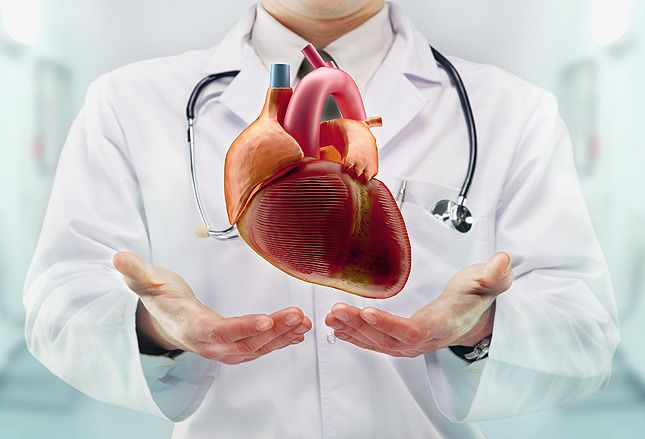
Who Benefits from Cardiac Rehabilitation?
A medically structured rehabilitation programme helps heart patients safely regain physical strength, reduce cardiovascular risks, and rebuild long-term confidence.
Patients who have had a heart attack
Patients after angioplasty and stenting
Patients after coronary bypass or heart valve surgery
Patients after TAVI
People living with heart failure
People with stable angina
Patients who have received a pacemaker or ICD and need guidance on returning to activity
What a Cardiac Rehabilitation Programme Includes
| Component | What it involves |
|---|---|
| Assessment | History, examination, ECG and, where suitable, a treadmill or walking test to set a safe exercise level |
| Exercise training | Graded walking and light aerobic exercise, with strength and flexibility work added over time |
| Diet advice | Less salt, less saturated fat and fried food, more vegetables, fruit, whole grains and fibre |
| Risk-factor control | Blood pressure, blood sugar, cholesterol and weight targets, and support to stop smoking |
| Medicine guidance | Why each medicine is taken, what to expect, and why it should not be stopped without advice |
| Emotional support | Help with worry, low mood and stress, which are common after a heart event |
| Return to work and routine | Advice on driving, travel, work and sexual activity |
Why Consult Dr. Amit Pendharkar for Cardiac Rehabilitation in Dwarka
-
DM in Cardiology from AIIMS, New Delhi, with more than 15 years of experience
-
Treats heart attack, angioplasty, TAVI and device patients, so recovery advice is matched to the procedure you had
-
More than 10,000 diagnostic and interventional procedures, and more than 10,000 echocardiograms and stress tests
-
Leads interventional cardiology at Max Super Speciality Hospital, Dwarka
-
Clinics in Dwarka Sector 6 and Janakpuri for follow-up close to home
Simple Habits for Home
Walk daily, building up to about 30 minutes on most days, or as advised.
Keep salt below about 5 grams (roughly one teaspoon) a day.
Take medicines on time and keep follow-up appointments.
Avoid tobacco in every form and limit alcohol.
Sleep regularly and find a way to manage stress that you can keep up.
Benefits of Cardiac Rehabilitation
- Better stamina and less breathlessness in daily activities
- Lower risk of another heart attack and of hospital readmission
- Better control of blood pressure, sugar and cholesterol
- Improved mood and confidence
- A faster and safer return to work and normal routine
Staying Safe While Exercising
Stop and rest if you feel chest pain or pressure, unusual breathlessness, dizziness, palpitations or extreme tiredness. If the symptom does not settle within a few minutes of rest, seek medical help at once. Do not exercise on days you feel unwell, have a fever, or have missed your medicines.
Phases of Cardiac Rehabilitation
| Phase | When | Focus |
|---|---|---|
| Phase 1 | In hospital, after the event or procedure | Early movement, basic education and a discharge plan |
| Phase 2 | First weeks to months after discharge | Supervised, graded exercise and lifestyle coaching |
| Phase 3 | Long term | Keeping up regular activity, diet and check-ups at home |
Gradual progression across phases helps patients safely build endurance, maintain vital numbers, and return to independent routines.
Cardiac Rehabilitation for Patients in Janakpuri and West Delhi
Patients from Janakpuri, Vikaspuri, Tilak Nagar, Uttam Nagar, Palam and Najafgarh can attend follow-up visits at the Janakpuri clinic on Mondays, Wednesdays and Fridays from 6 pm to 8 pm. Progress, medicines and test results are reviewed there, so regular visits do not require travelling across the city.
Frequently Asked Questions
Book a Cardiac Rehabilitation Consultation in Dwarka
Call +91-9811675937 to book a consultation with Dr. Amit Pendharkar at Max Super Speciality Hospital, Dwarka, or at the Janakpuri clinic (Monday, Wednesday, Friday, 6 pm to 8 pm).